
Questions we bring to death
Questions about death become especially tender when someone we love has died. Theosophical writers describe consciousness continuing after physical death, but they cannot tell us what happened to a particular person. This article explains that belief without asking anyone to set aside grief, uncertainty or their own beliefs.
Theosophy’s view of death as a transition
Theosophical teaching holds that consciousness continues after the end of physical life. The physical body no longer functions, while the person is described as continuing through subtler states.
Annie Besant writes of an astral stage connected with feelings and desires. C. W. Leadbeater calls the release from the astral body a “second death”. Both authors then describe a mental or “heaven-world” stage. There, affection and the more generous parts of a life are said to find fuller expression. At a deeper level, the continuing self is said to keep what it has learned before another birth.
Describing these phases in sequence can make them sound like a fixed schedule. Historical Theosophical writings contain differing interpretations and considerable speculation. We should not use them to predict when a person will move from one state to another. Nor should anyone be told that an unsettled feeling or a difficult death means a poorer spiritual outcome.
Some Theosophical texts speak of a review of one’s life. Death raises questions about memory, love and what, if anything, continues beyond the body. It is honest to hold those questions without pretending to know more than we do.
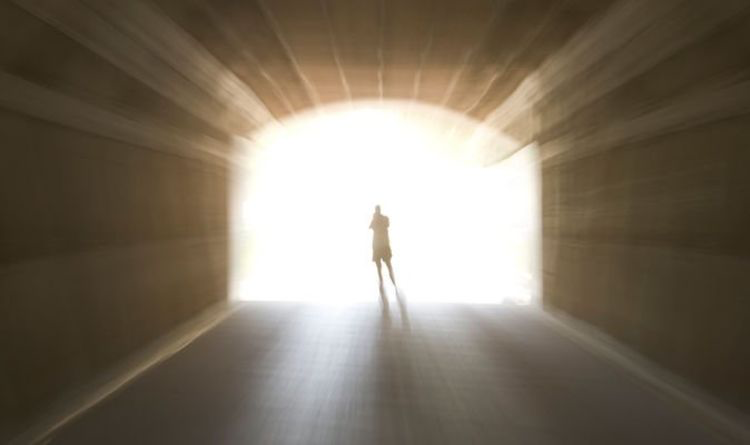
How Theosophy connects death and rebirth
Theosophical ideas about life after death bring together the earlier discussions of planes, subtle bodies, karma and spiritual growth. If consciousness can function through more than the physical body, Theosophical writers ask whether its journey continues when that body dies. If individuality endures across lives, they ask how experience might be retained without ordinary memory. Their descriptions of the stages after death try to answer both questions.
The “heaven-world” is not simply a prize for perfect conduct. Theosophical writers describe it as a time when a person comes to understand the love and learning of a life. That description expresses a hope that what was generous and meaningful is not lost. It should not be used to judge the life of someone we barely knew.
Different religions and philosophies answer questions of continuity in different ways. Some imagine resurrection, some rebirth, and some do not expect consciousness to survive bodily death. Even people who share one tradition may speak about these things with varying degrees of certainty. Studying Theosophical views of life after death does not require dismissing those other views.
People may find parts of a Theosophical view meaningful while remaining unsure about what happens after death. A bereaved family may hold several different views. Listening with care gives them room to speak in their own words.
Making room for the living
An idea about continuity should never become a rule for how someone ought to mourn. Grief may involve sorrow, anger, numbness, relief, gratitude or a changing mixture of these. It can change shape over months or years. No one is required to feel comforted by a teaching about life after death, and no one should be blamed for the depth or duration of their grief.
People often want to say something helpful to a person who has lost someone. The simplest response may be to listen, ask what support is wanted and offer something concrete. A meal, a ride or a willingness to remember the person by name can be more useful than an explanation of invisible worlds. Spiritual ideas should serve compassion, not crowd it out.
Some losses raise questions that an introductory article cannot responsibly answer. Sudden death, suicide and traumatic circumstances may bring shock, guilt or fear. Neither Theosophical speculation nor any other general doctrine entitles us to declare the fate of the person who died. Support from trusted people, a grief counsellor or another qualified professional can be part of caring for yourself.
Theosophical teachings also connect death with the question of how to live. If kindness, learning and relationships matter beyond a single moment, they also matter now. One need not accept a theory of rebirth to take that seriously. Care for the living, including yourself, is not a failure to understand death; it is one way of honouring life.
Remembering is often an active practice. We may tell a story, keep a photograph, continue a shared project or notice a habit we learned from the person. Such acts do not resolve the mystery of death. They acknowledge that a relationship has shaped the living, even when the person is no longer physically present.
Questions may return at different times. A teaching that seemed unhelpful immediately after a loss might become worth examining later; the reverse can also happen. You are allowed to change your mind. This article offers one tradition’s vocabulary, not a timetable for mourning or a test of what you must believe.
If you are reading alongside someone who holds another view, listening may be more valuable than comparing theories. People can share concern for the same person while disagreeing about what follows death. Respecting that difference leaves space for both honest conviction and the uncertainty that often accompanies loss.
A little more to consider
Theosophical writers describe several stages after death. Which parts of that teaching speak to your questions about memory, love and continuity?
One small next step
If this subject is personal, read at your own pace. You might write down one honest question without forcing an answer. The next two articles look more closely at the astral and mental planes described in this article.