
What “astral” means here
“Astral” often brings ghosts and extraordinary stories to mind. In Theosophical literature, the astral plane is said to be the level nearest to the physical. It is linked with desire, feeling and awareness beyond ordinary waking senses.
The astral plane in Theosophical writing
C. W. Leadbeater writes that the astral plane exists alongside the physical world. In his view, it is not a remote place reached by travelling a physical distance. He describes its own kinds of matter and several smaller levels.
Leadbeater describes a person as having an astral body as well as a physical one. In his account, feelings and desires affect how the astral world is experienced. He describes scenery, movement and perception there, and connects the plane with sleep and a stage after bodily death.
Why divide the astral plane into smaller parts? Theosophical writers use them to describe different kinds of experience. You do not need to memorise them. It is more useful to understand why these writers connect emotion and attention with perception.
Fear, expectation and desire can affect what we notice. This helps explain why Theosophical writers put emotion at the centre of their teaching.
Leadbeater also warns that desire can shape perception. A person who expects to see danger may interpret an unclear experience through fear. That point invites care, not confidence that we can read another person’s feelings. We must ask what was actually experienced before deciding what caused it.
Feeling and the astral body
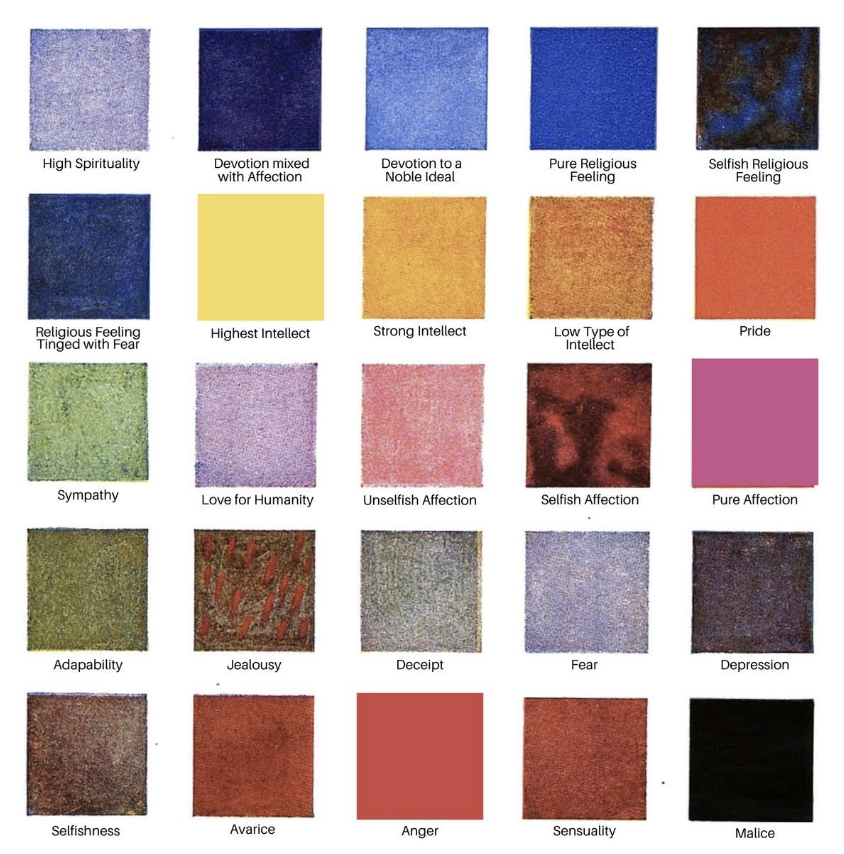
In Theosophical literature, the astral body responds to emotion and desire. Feelings also affect familiar parts of daily life, such as breathing, sleep and attention.
There is a useful question here. When anger rises, do we notice it before speaking? When fear rises, do we ask what is true? We should not judge someone’s spiritual state by the emotions they show. Feelings change, and people deserve care in the middle of them.
Inhabitants and thought-created forms
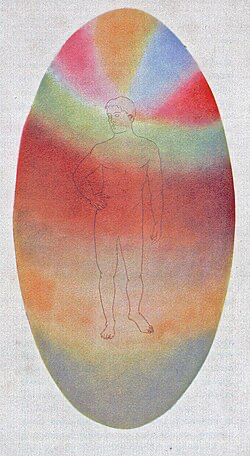
Theosophical texts group astral inhabitants into several broad categories: living people in sleep, people who have died, non-human beings and “artificial elementals” said to arise through thought. These categories help explain how older Theosophical writers understood unusual experiences.
The thought-created category is especially easy to misunderstand. In Theosophical usage, a strong thought or emotion is said to have effects beyond the thinker and, in some descriptions, to take form in subtler matter. The later article on thought-forms explains this proposal more fully. For now, it is enough to see how descriptions of the astral plane connect with Theosophical ethics of thought and feeling.
Theosophical authors also discuss apparitions and experiences around sleep. A vivid dream can feel more real than a waking memory, and an unexpected sight can unsettle a person. People may understand such events in different ways. When someone describes an experience, listening respectfully is a good place to begin.
Nor does a remarkable story give a reason to seek unusual phenomena. Curiosity is natural, but sensational claims can distract from a quieter question running through these articles: how do desire, fear and attention shape the way we live with others? The value of studying Theosophy need not depend on collecting extraordinary experiences.
Curiosity with discernment
Discernment starts by separating an experience from an explanation. “I had a vivid dream about someone I miss” describes what happened. “The dream proves we met on the astral plane” adds an interpretation. The interpretation may matter deeply to the dreamer, but others cannot treat it as established simply because the experience was intense.
A useful approach asks several questions without ridicule. What was observed? What other explanations might fit? Is there any independent way to check the claim? What effect does believing it have on the person involved? These questions do not require a fixed answer in advance. They make space for wonder and care alongside intellectual honesty.
Theosophical writers place great weight on the quality of the observer. Expectation, fear and longing may influence what is perceived or remembered. That caution applies not only to unusual stories but also to daily relationships. If we are sure someone has slighted us, we may notice evidence that fits and overlook what does not.
Theosophical descriptions of the astral plane invite two different kinds of inquiry. One concerns whether a subtler plane exists and how such a claim could be assessed. The other concerns the direct work of recognising emotion before it turns into certainty about the world. A reader may leave the first question open while finding the second worth practising. The next article shifts attention from emotion toward thought and meaning.
Separating an experience from a claim about its cause also protects other people. When someone shares a strange or painful experience, we do not have to decide immediately whether it was supernatural. We can ask how they are feeling and whether they are safe. If the experience is frightening or disruptive, appropriate professional help can matter regardless of any spiritual interpretation.
Theosophy becomes more approachable when unusual claims can be discussed without pressure. A reader can understand the astral plane as a proposed part of Theosophical teaching, notice the questions it raises, and remain free to inquire further. Wonder and caution need not be enemies.
The best questions may be modest ones. Why did descriptions of the astral plane appeal to Theosophical writers? What were they trying to explain about feeling and perception? Which parts depend on testimony, and which parts can be examined in ordinary experience? Asking these questions keeps an unfamiliar subject connected to a wider habit of inquiry.
A little more to consider
Theosophical descriptions of the astral plane involve more than ghost stories. What do they suggest about the roles of feeling, attention and perception in your life?
One small next step
When a strong feeling arises, name it and pause. What do you know, and what are you assuming? The next article moves from the emotion-associated astral plane to Theosophical teaching about thought and meaning on the mental plane.